Space
Watch NASA’s Mars 2020 Rover go for a test drive in preparation for landing on Martian soil

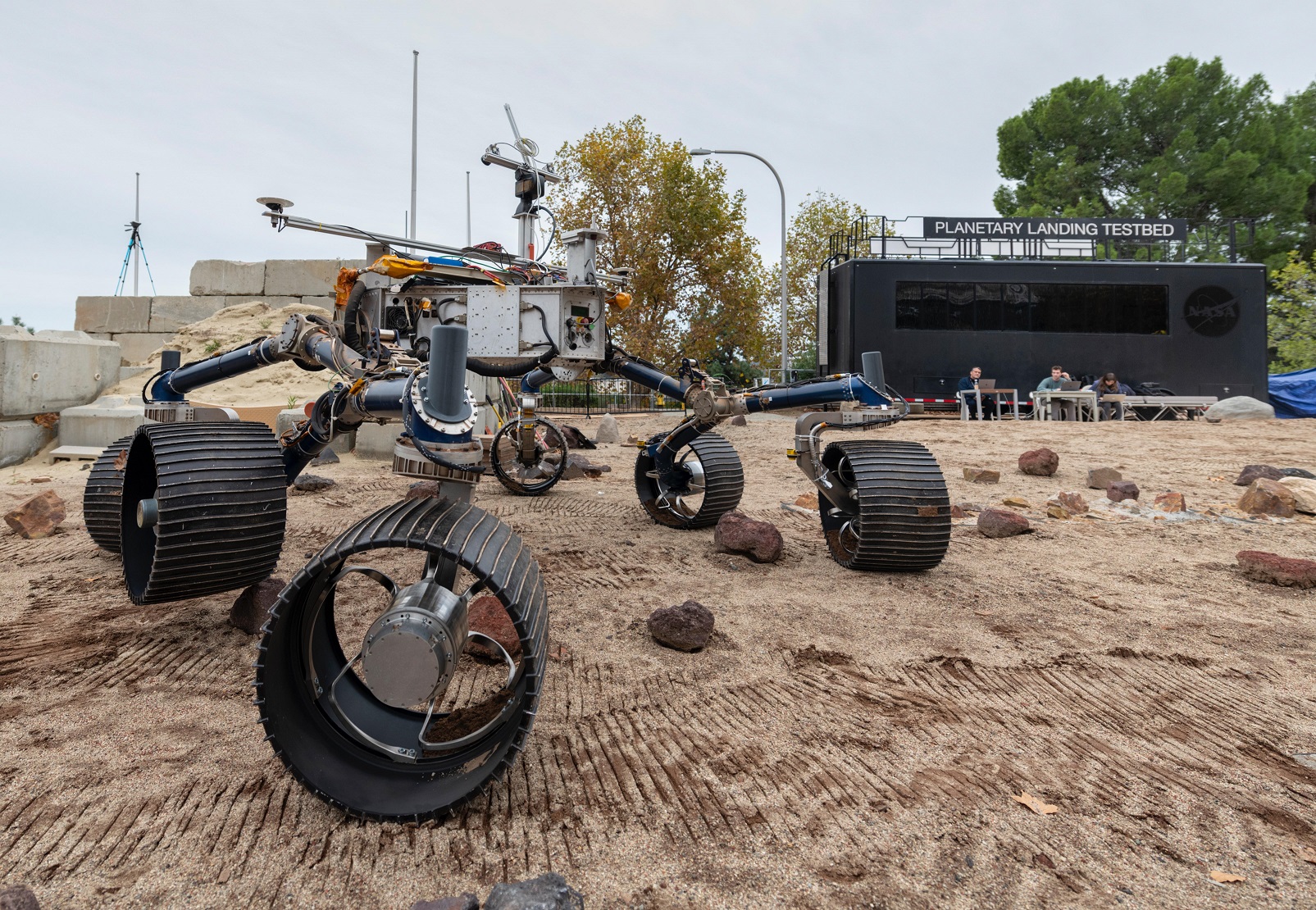
NASA engineers witnessed their newest Mars rover take its first steps in preparation for its next mission that will search for fossilized remains of ancient life on the red planet.
The test took place inside the Spacecraft Assembly Facility clean room at NASA’s Jet Propulsion Laboratory in Pasadena, California. Engineers clad in white bunny suits—special cleanroom attire worn in order to keep the rover’s delicate instruments very, very clean—watched the yet-to-be-named rover inch forward as part of the crucial pre-flight test, which lasted just over 10-hours.
“Mars 2020 has earned its driver’s license,” Rich Rieber, the lead mobility systems engineer for Mars 2020, said in a news release. “The test unambiguously proved that the rover can operate under its own weight and demonstrated many of the autonomous-navigation functions for the first time. This is a major milestone for Mars 2020.”
During the test, NASA engineers noticed no problems, as the six-wheeled rover successfully performed all its required tasks: it rolled forward and backward and even pirouetted. According to NASA, the rover’s systems, all working in concert, enabled it to steer, turn and drive with ease.
The testing of the vehicle’s autonomous navigation system went well. Since these systems performed perfectly under Earth’s gravity, engineers expect them to perform just as well under Mars’ gravity, which is only 38% of what we experience on Earth.
The test went so well that NASA says the “next time the Mars 2020 rover drives, it will be rolling over Martian soil.” The Mars 2020 rover is scheduled to launch in July 2020, followed by a landing in Jezero Crater on February 18, 2021.
“A rover needs to rove, and Mars 2020 did that,” John McNamee, project manager for Mars 2020, said in a statement. “We can’t wait to put some red Martian dirt under its wheels.”
During its initial test drive, the rover crept forward in small, 3-feet ( 1-meter) increments, enabling the engineers to properly assess its movement and steering abilities. The rover also drove over small ramps designed to simulate uneven Martian terrain.
Engineers were also able to collect data from the vehicle’s Radar Imager for Mars’ Subsurface Experiment (RIMFAX)—an instrument that uses radar waves to scan the ground below the rover. Depending on the terrain, once on Mars, RIMFAX will penetrate the ground, probing the red planet’s subsurface to depths of more than 30-feet (or 10-meters).
Curiosity, the Mars 2020 rover’s predecessor currently roaming around on Mars, is predominantly commanded by people back on Earth. However, the rover does have the ability to autonomously choose where to fire its laser spectrometer. As part of its onboard science arsenal, the instrument—called ChemCam—is designed to analyze the chemical composition of nearby rocks and soil.
Mars 2020, on the other hand, will be more independent than any of its predecessors. Equipped with advanced auto-navigation software, the rover will drive with the help of a dedicated onboard computer operating on data collected from the vehicle’s high-resolution, wide-field color cameras.
NASA engineers estimate that the rover will travel an average of 650 feet (200 meters) per day. For comparison, Curiosity’s current distance record for a single day is 702 feet (214 meters), although that’s not typical. The Mars 2020 rover will also be sporting more durable wheels. Curiosity’s wheels are visibly worn after seven years on the Martian surface; engineers hope Mars 2020’s wheels will hold up better.
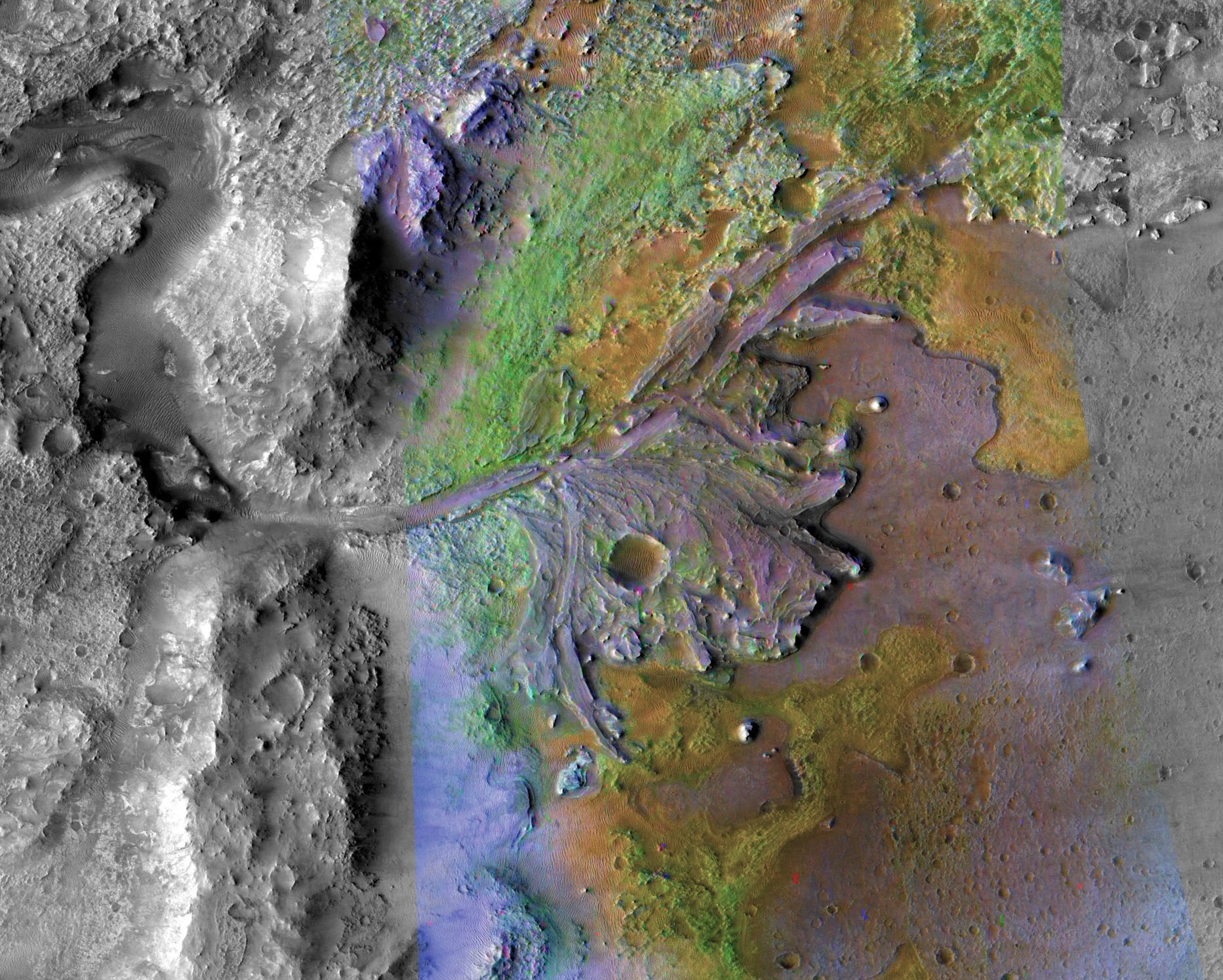
Once on Mars, the rover will land at Jezero Crater—a former lake bed, rich in mineral deposits known for preserving microfossils here on Earth. In this crater, the rover will search for any signs that life may have once existed on Mars.
While acting as a remote scientist, the rover will unlock clues about the planet’s climate and geology as well as collect samples that will be returned to Earth sometime in the future.
Following the loss of the Opportunity rover, Curiosity has been the sole robot roaming the Martian surface. That will change in 2021, but they won’t be the only ones.
They will be joined by another: The European Space Agency is teaming up with Russia to send their version of the Mars 2020 rover. The Rosalind Franklin ExoMars rover will arrive on Mars at a soon-to-be-announced location, in 2021.


Elon Musk
SpaceX’s IPO might arrive sooner than you think
Musk has hinted for years that an eventual public offering was inevitable, though he has stressed the need to maintain operational focus. Insiders have told outlets that the CEO is pushing for a significant retail investor allocation, reportedly more than 20 percent of shares, and tighter lock-up periods to limit early selling pressure.

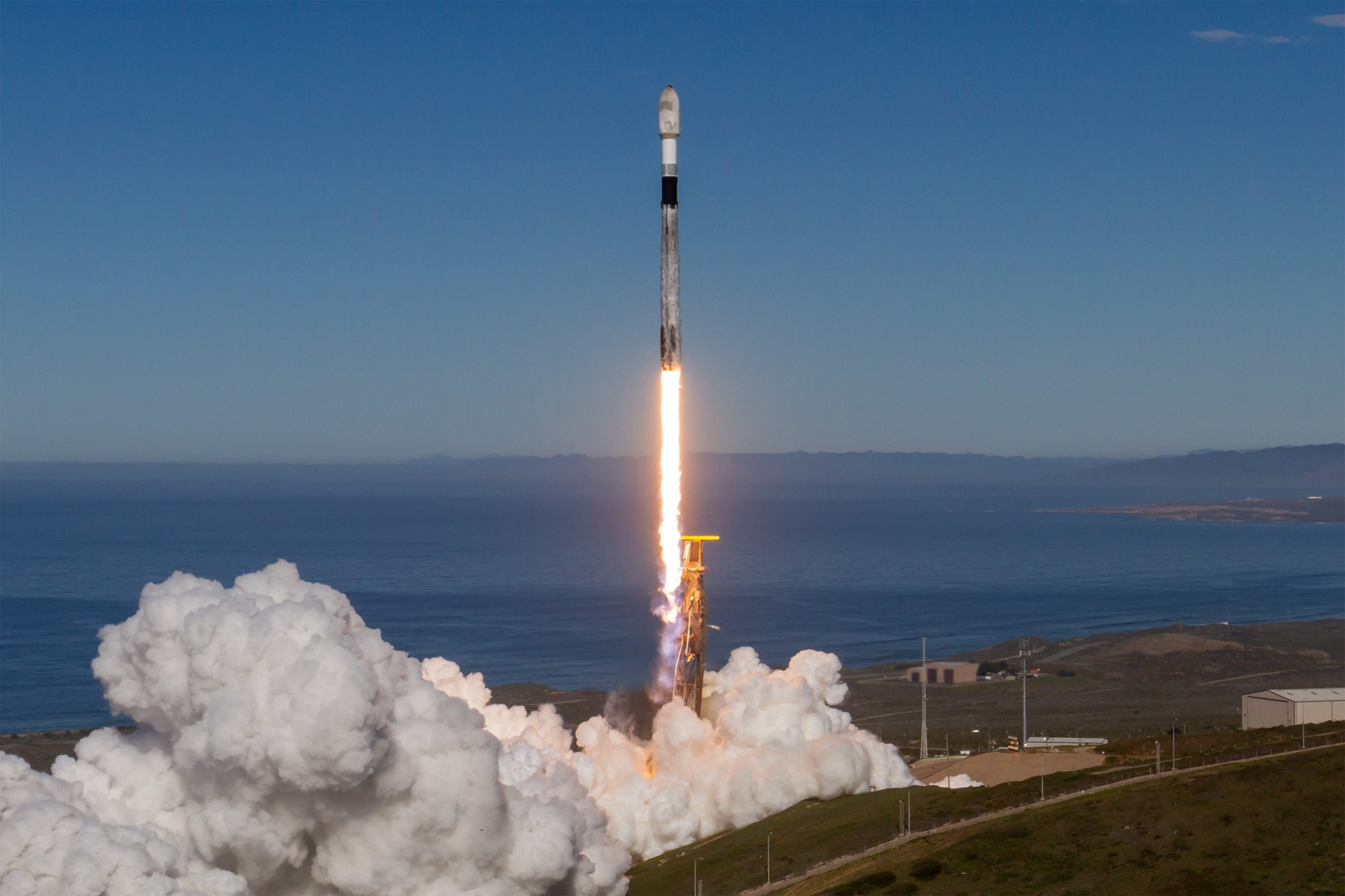
Elon Musk’s SpaceX is on the verge of one of the most anticipated Initial Public Offerings (IPO) in history.
However, a new report from The Information indicates the rocket and satellite giant is aiming to file its IPO prospectus with U.S. regulators as soon as this week, or early next week at the latest.
People familiar with the plans told The Information that advisers involved in the process expect the IPO could raise more than 75 billion dollars, potentially making it the largest stock market debut ever and eclipsing Saudi Aramco’s 29.4 billion dollar offering in 2019.
The filing would mark the formal start of what has long been rumored: SpaceX’s transition from a closely held private powerhouse to a publicly traded company.
The timing aligns with earlier signals.
In late February, Bloomberg reported that SpaceX was targeting a confidential IPO filing in March and a possible public listing in June, with a valuation north of 1.75 trillion dollars. At the time, the company’s private valuation hovered around 1.25 trillion dollars.
SpaceX considering confidential IPO filing this March: report
Starlink, SpaceX’s satellite internet constellation, has been the primary driver of that surge, now serving millions of customers worldwide and generating steady revenue. Recent Starship test flights and a record pace of Falcon launches have further bolstered investor confidence.
Musk has hinted for years that an eventual public offering was inevitable, though he has stressed the need to maintain operational focus. Insiders have told outlets that the CEO is pushing for a significant retail investor allocation, reportedly more than 20 percent of shares, and tighter lock-up periods to limit early selling pressure.
A June listing would give SpaceX immediate access to public capital markets at a moment when demand for space-related stocks remains high. It would also allow early employees and long-time investors to cash out portions of their stakes while giving everyday shareholders a chance to own a piece of the company behind reusable rockets, global broadband, and NASA contracts.
Of course, nothing is certain until the SEC filing appears. Market conditions, regulatory reviews, and Musk’s own schedule could still shift timelines.
Yet the latest word from The Information suggests the window has opened. If the filing lands this week, SpaceX’s roadshow could begin in earnest within weeks, setting the stage for what many analysts already call the IPO of the decade.
Elon Musk
Elon Musk launches TERAFAB: The $25B Tesla-SpaceXAI chip factory that will rewire the AI industry
Tesla, SpaceX, and xAI unveiled TERAFAB, a $25B chip factory targeting one terawatt of AI compute annually.

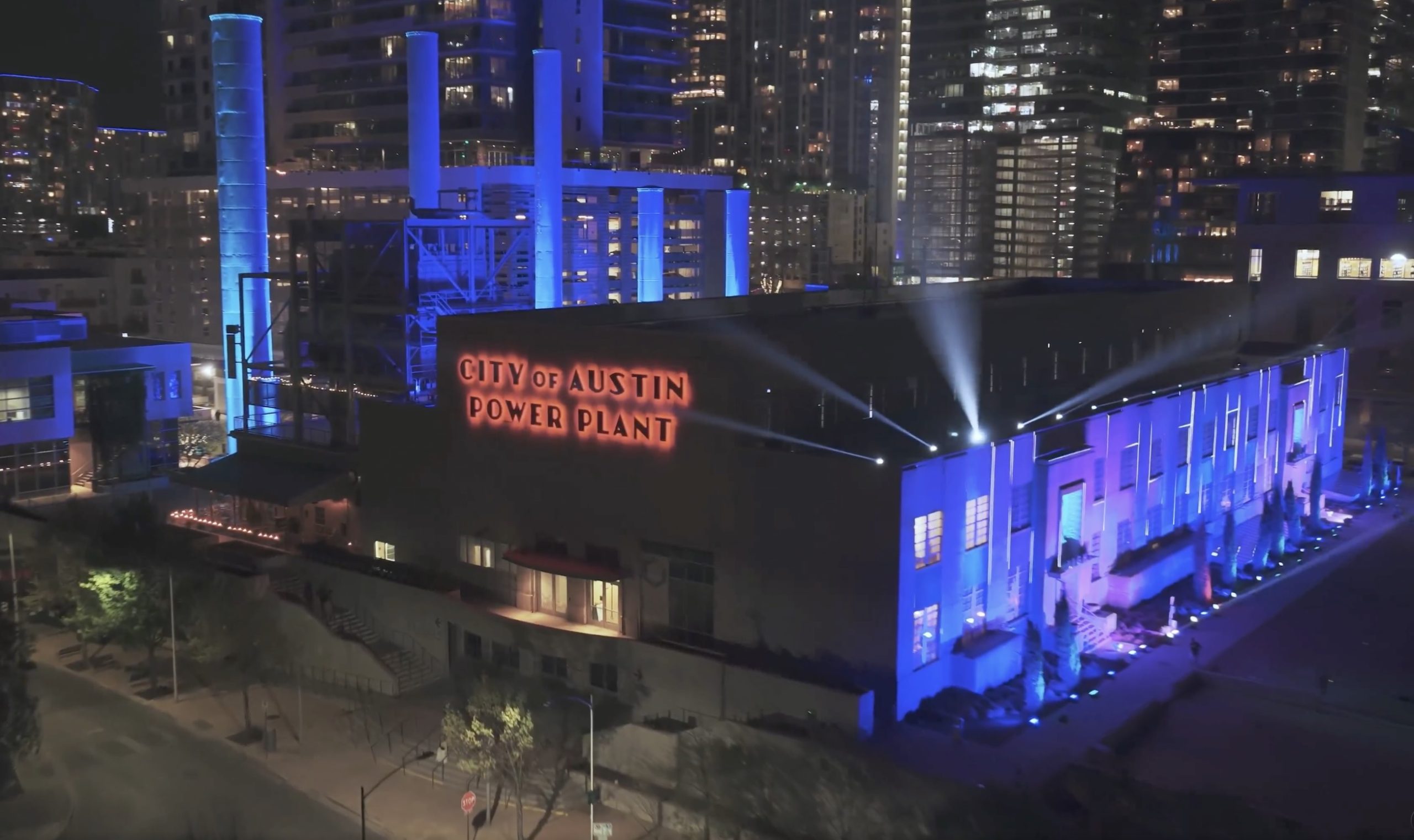
Elon Musk took the stage over the weekend at the defunct Seaholm Power Plant in Austin, Texas, to officially unveil TERAFAB, a $20-25 billion joint venture between Tesla, SpaceX, and xAI that he described as “the most epic chip building exercise in history by far.” The announcement marks the most ambitious infrastructure bet Musk has made since Gigafactory 1 in Sparks, Nevada, and it fuses three of his companies into a single, vertically integrated AI hardware machine for the first time.
TERAFAB is designed to consolidate every stage of semiconductor production under one roof, including chip design, lithography, fabrication, memory production, advanced packaging, and testing. At full capacity, the facility would scale to roughly 70% of the global output from the current world’s largest semiconductor foundry from Taiwan Semiconductor Manufacturing Company (TSMC).
Elon Musk’s stated goal is one terawatt of computing power annually, split between Tesla’s AI5 inference chips for vehicles and Optimus robots, and D3 chips built specifically for SpaceXAI’s orbital satellite constellation.
Tesla Terafab set for launch: Inside the $20B AI chip factory that will reshape the auto industry
The logic behind the merger of these three entities is rooted in a supply chain crisis Musk has been signaling for over a year. At Tesla’s Q4 2025 earnings call, he warned investors that external chip capacity from TSMC, Samsung, and Micron would hit a ceiling within three to four years. “We’re very grateful to our existing supply chain, to Samsung, TSMC, Micron and others,” Musk acknowledged at the Terafab event, “but there’s a maximum rate at which they’re comfortable expanding.” Building in-house was, in his framing, not a strategic option, but a necessity.
The space angle is where the announcement becomes genuinely unprecedented. Musk said 80% of Terafab’s compute output would be directed toward space-based orbital AI satellites, arguing that solar irradiance in space is roughly 5x greater than at Earth’s surface, and that heat rejection in vacuum makes thermal scaling viable. This directly feeds the SpaceXAI vision, which is betting that within two to three years, running AI workloads in orbit will be cheaper than doing so on the ground. The satellites, powered by constant solar energy, would effectively turn low Earth orbit into the world’s largest data center.
Will Tesla join the fold? Predicting a triple merger with SpaceX and xAI
Historically, this announcement threads together every major Musk initiative of the past two years: the xAI-SpaceX merger, Tesla’s $2.9 billion solar equipment talks with Chinese suppliers, the 100 GW domestic solar manufacturing push, the Optimus humanoid robot program, and Starship’s development. TERAFAB is the capstone that ties them into a single coherent architecture — chips made on Earth, launched by SpaceX, powered by Tesla solar, run by xAI, and ultimately extended to the Moon.
“I want us to live long enough to see the mass driver on the moon, because that’s going to be incredibly epic,”Musk said during the presentation.
Announcing TERAFAB: the next step towards becoming a galactic civilization https://t.co/IDKey07mJa
— Tesla (@Tesla) March 22, 2026
Elon Musk
SpaceX is quietly becoming the U.S. Military’s only reliable rocket
Space Force drops ULA for SpaceX on GPS launch after Vulcan rocket anomaly investigation halts flights.
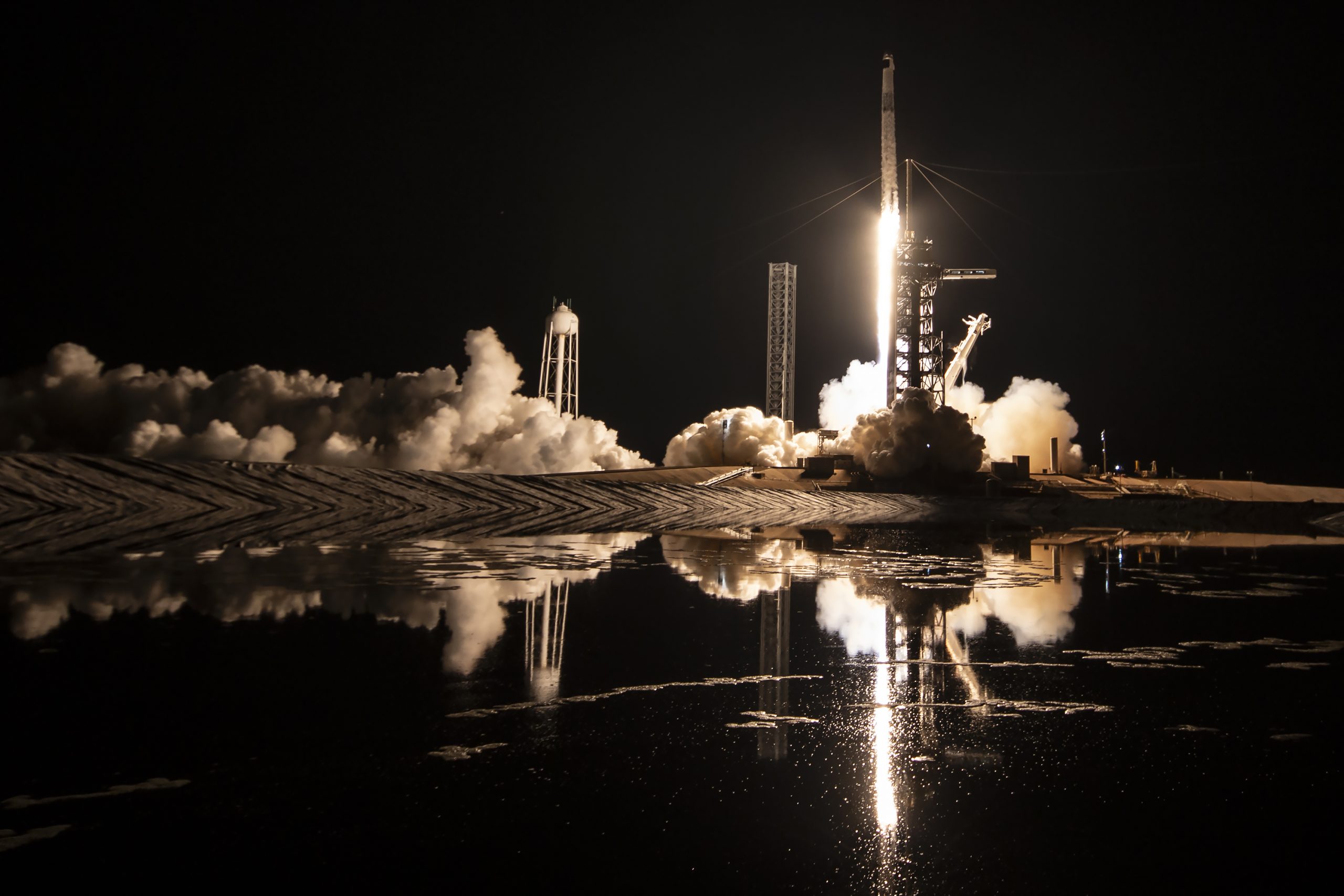
The U.S. Space Force announced today it is switching an upcoming GPS III satellite launch from United Launch Alliance’s Vulcan rocket to a SpaceX Falcon 9, a move that is as much a reflection of Vulcan’s mounting problems as it is a validation of SpaceX’s growing dominance in national security space launch. The GPS III Space Vehicle 09, originally contracted to fly on Vulcan this month, will now target a late April liftoff on Falcon 9, marking the fourth consecutive GPS III satellite the Space Force has moved to SpaceX after contracts were originally awarded to ULA.
The immediate trigger is a solid rocket motor anomaly that occurred on February 12 during Vulcan’s USSF-87 mission. Although the payloads reached orbit and ULA declared the mission successful, the company characterized the malfunction as a “significant performance anomaly” and has since paused all military launches on Vulcan pending a root cause investigation.
“With this change, we are answering the call for rapid delivery of advanced GPS capability while the Vulcan anomaly investigation continues,” said Systems Delta 81 Commander Col. Ryan Hiserote. “We are once again demonstrating our team’s flexibility and are fully committed to leverage all options available for responsive and reliable launch for the Nation.”
The broader reality is that SpaceX’s reliability record and launch cadence have made it the path of least resistance for the Pentagon, and bodes well with Elon Musk’s plans to IPO SpaceX sometime this year. Its Falcon 9 is the most flight-proven rocket in history, and the Space Force’s Rapid Response Trailblazer program was specifically designed to enable exactly this kind of provider swap for GPS missions, and effectively building SpaceX’s flexibility into the national security launch architecture by design.
For ULA, the stakes are existential. The company entered 2026 with aspirations of finally turning a corner after years of Vulcan delays, with interim CEO John Elbon pointing to a backlog of over 80 missions as reason for optimism. Meanwhile, SpaceX’s contracts with the Space Force have given it a formal pathway to take on even more national security launches going forward.
The significance of today’s announcement extends beyond one satellite swap. It reinforces that America’s most critical space infrastructure, including GPS, missile warning, and beyond, is increasingly dependent on a single commercial provider.

Tesla FSD mocks BMW human driver: Saves pedestrian from near miss

Tesla Robotaxi gets a small but significant change

Tesla makes latest announcement on Model S and Model X

Elon Musk says Tesla is developing a new vehicle: ‘Way cooler than a minivan’

Elon Musk launches TERAFAB: The $25B Tesla-SpaceXAI chip factory that will rewire the AI industry


